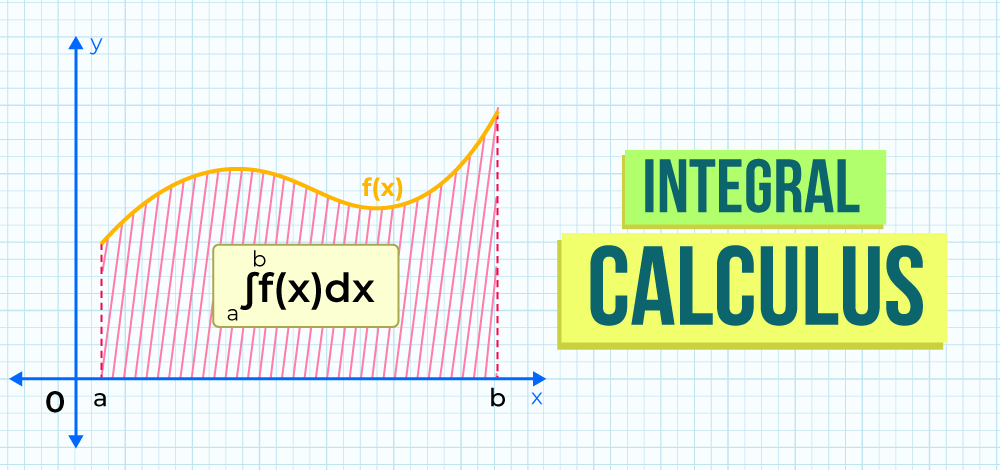
maths
A mathematics instructor's data-related responsibilities encompass collecting, analyzing, and utilizing data to inform and improve teaching practices. This involves understanding various data types, identifying areas of student need, and making adjustments to instruction accordingly. Effective use of data can lead to more personalized and impactful learning experiences for students.
Here's a breakdown of key aspects:
1. Understanding Data in Mathematics Instruction:
Data Types:
Mathematics instructors work with both numerical data (test scores, quiz results, performance metrics) and qualitative data (observations, student work samples, feedback).
Informal vs. Formal Data:
Informal data (classroom discussions, quick checks for understanding) can provide immediate feedback, while formal data (tests, projects) offers a broader view of student learning.
Purpose of Data:
Data informs instructional decisions, helps
Category Upgrade Skills
Last Updated 09/18/2025
5 Lesson24:51:02 Hrs
Free
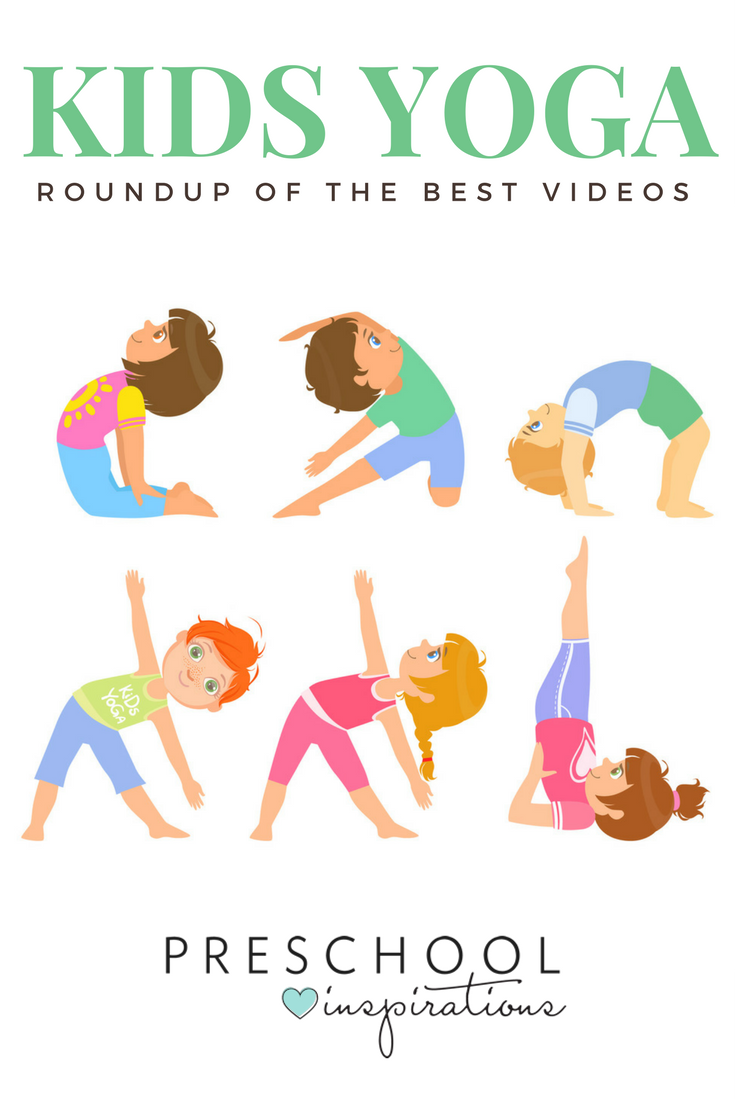
Yoga for Kids
The resources you will receive when you enroll in this course are exclusive to Peaceful Babes and are not offered by any other course worldwide! You will also learn the, Peaceful Babes, 5 steps to creating fun yoga stories, plus tips on how to perform an incredible kids yoga story that keeps kids fully engaged and having a great time! In addition to learning how to teach fun yoga classes to kids, you will also learn the business of kids yoga! The final module of this course is fully dedicated.
Category Health & Fitness Courses
Last Updated 08/30/2025
2 Lesson02:35:30 Hrs
₹500.00